Date: Thursday, January 7th 10AM - 5PM
Location: Halidan Drive Richmond, VA
Instructors: Justin Quaid Grubb and Cat Gambel, hosted by Lee Hazelgrove ( River City Clay)
About: Please join visiting artists Justin Quaid Grubb and Cat Gambel in partnership with River City Clay Studio for a full-day workshop learning how to fire ceramics using this alternative and accessible method.
Rooted in our shared interest in community, ecology, and sustainability, this workshop will explore how fire, smoke, and natural materials can influence the color and surface of clay. We will experiment with dried flowers, salt, eggshells, banana peels, feathers, horse hair, coffee grounds, and other material to create unique ceramic pieces.
NOTE: As with all experimental firing practices, there is a possibility that your work may not survive intact.
Preparation:
Each participant must bisque their work prior to the start of the event. This is intended to reduce time needed for the workshop as well as diminish the possibility of breakage.
Participants may bring three small bisqued pieces no larger than six inches in any dimension or one larger piece of an appropriate size for a small, shared pit. You may bring additional bisqueware, and if there is room in the pit, we will try to accommodate you.
Please remember that pit-fired work is not food safe!

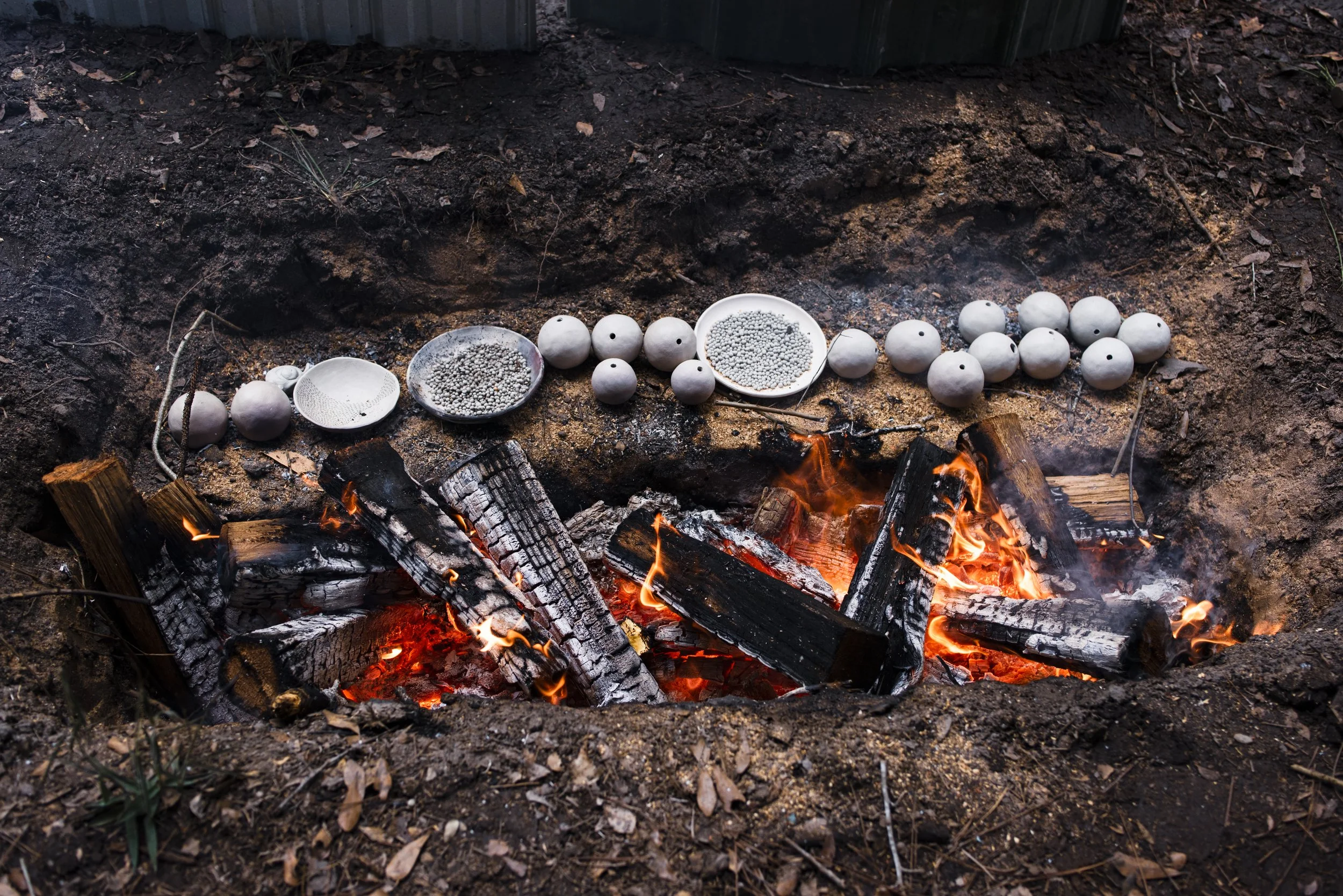 Image 1 of 9
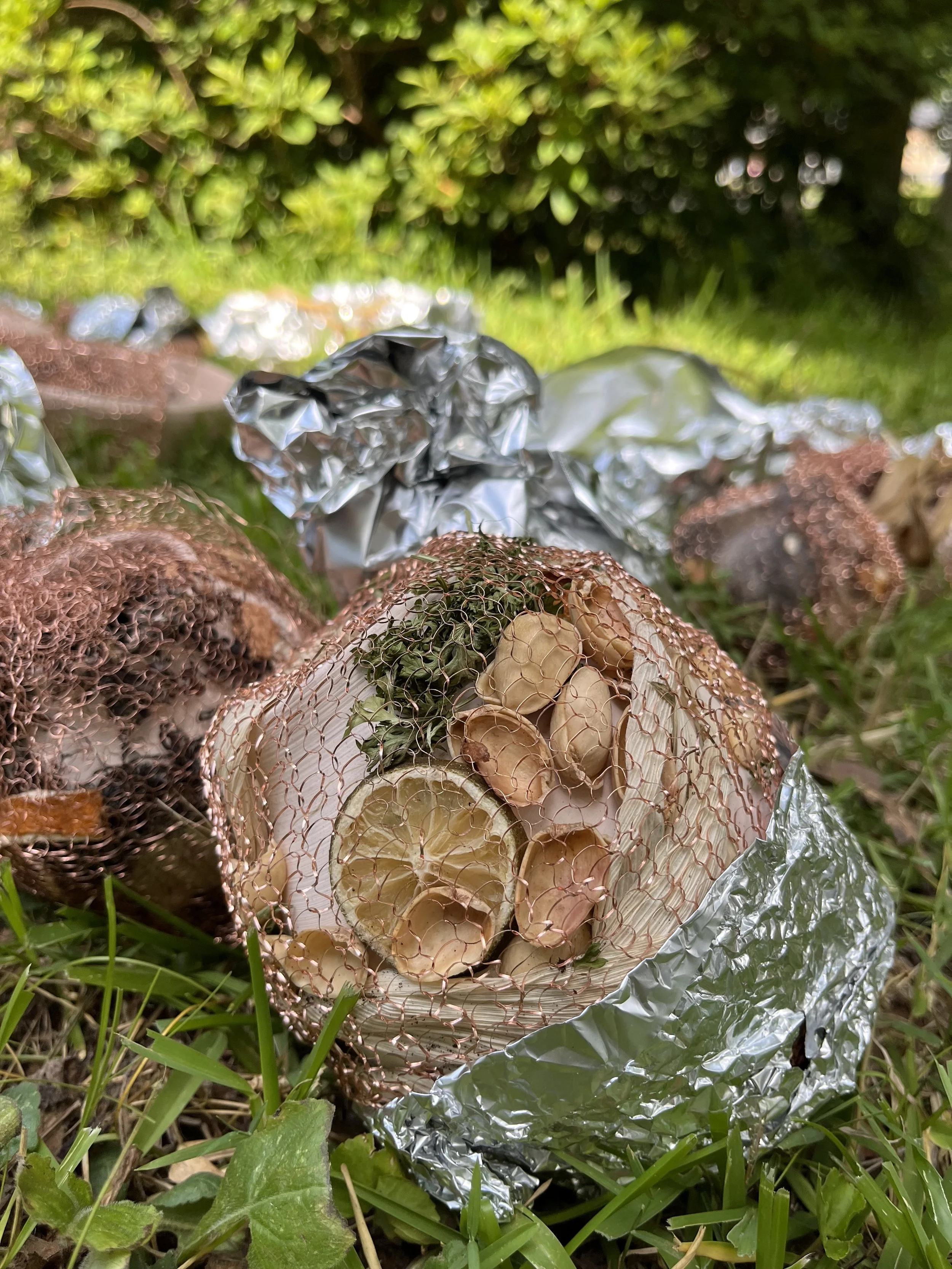 Image 2 of 9
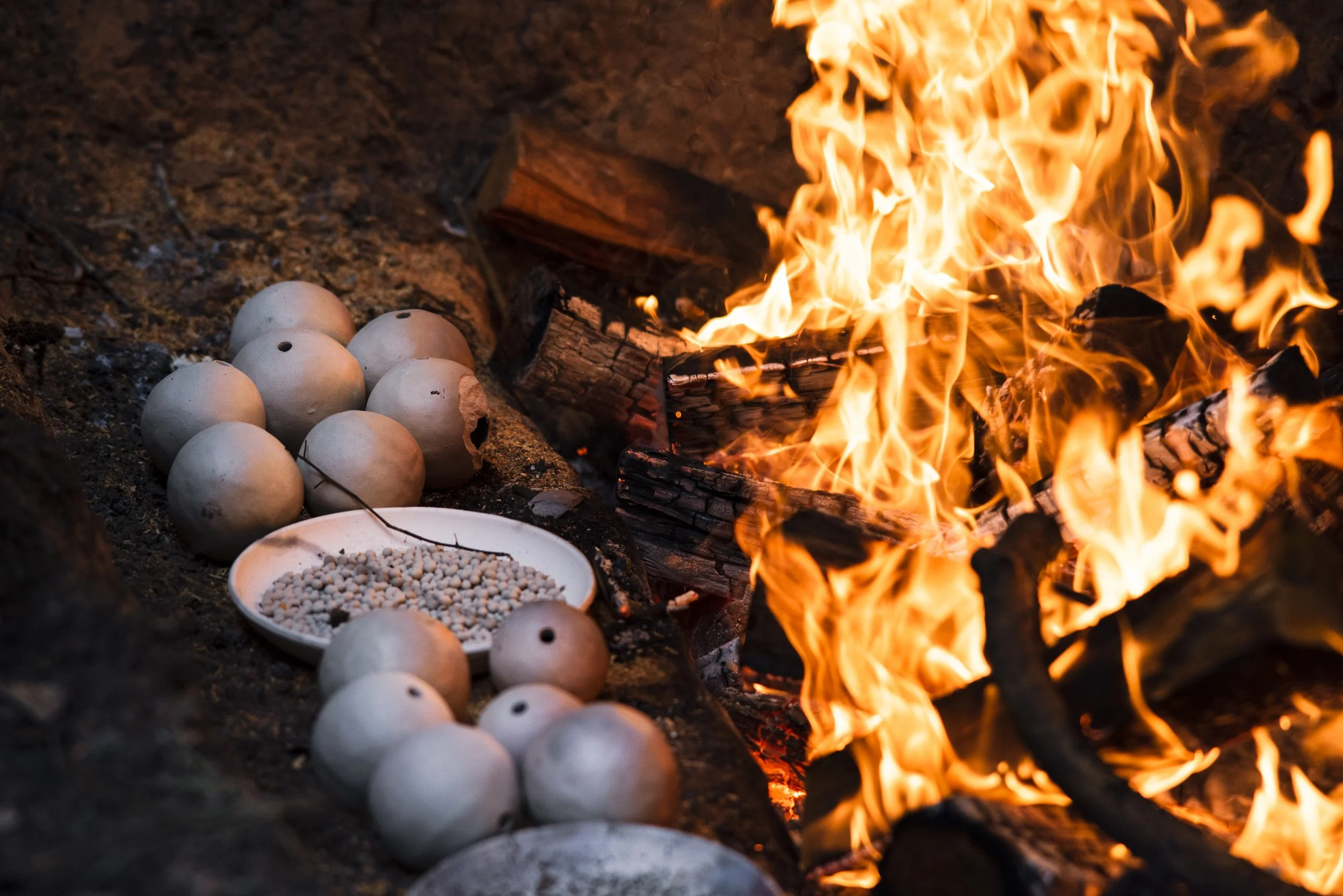 Image 3 of 9
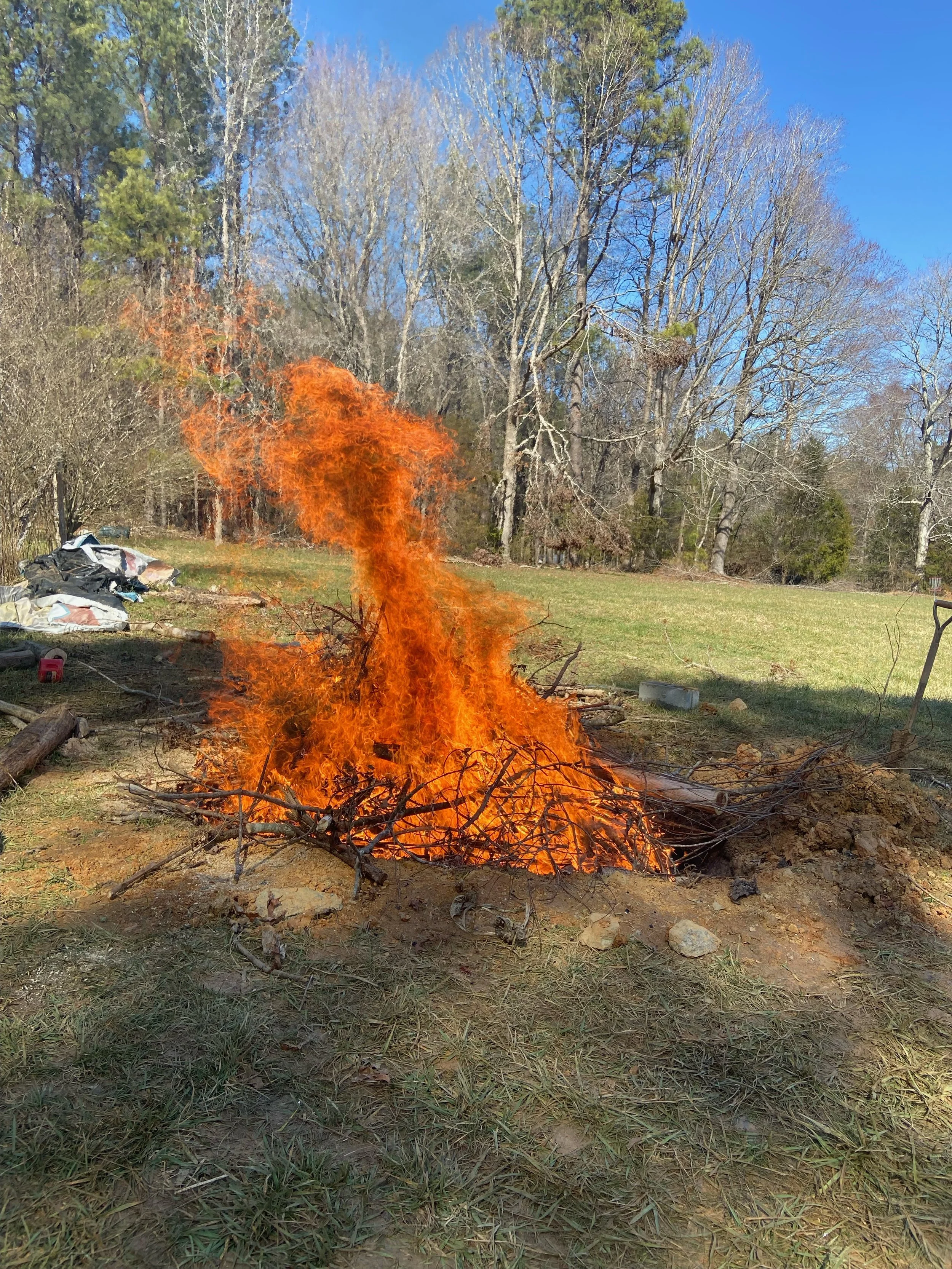 Image 4 of 9
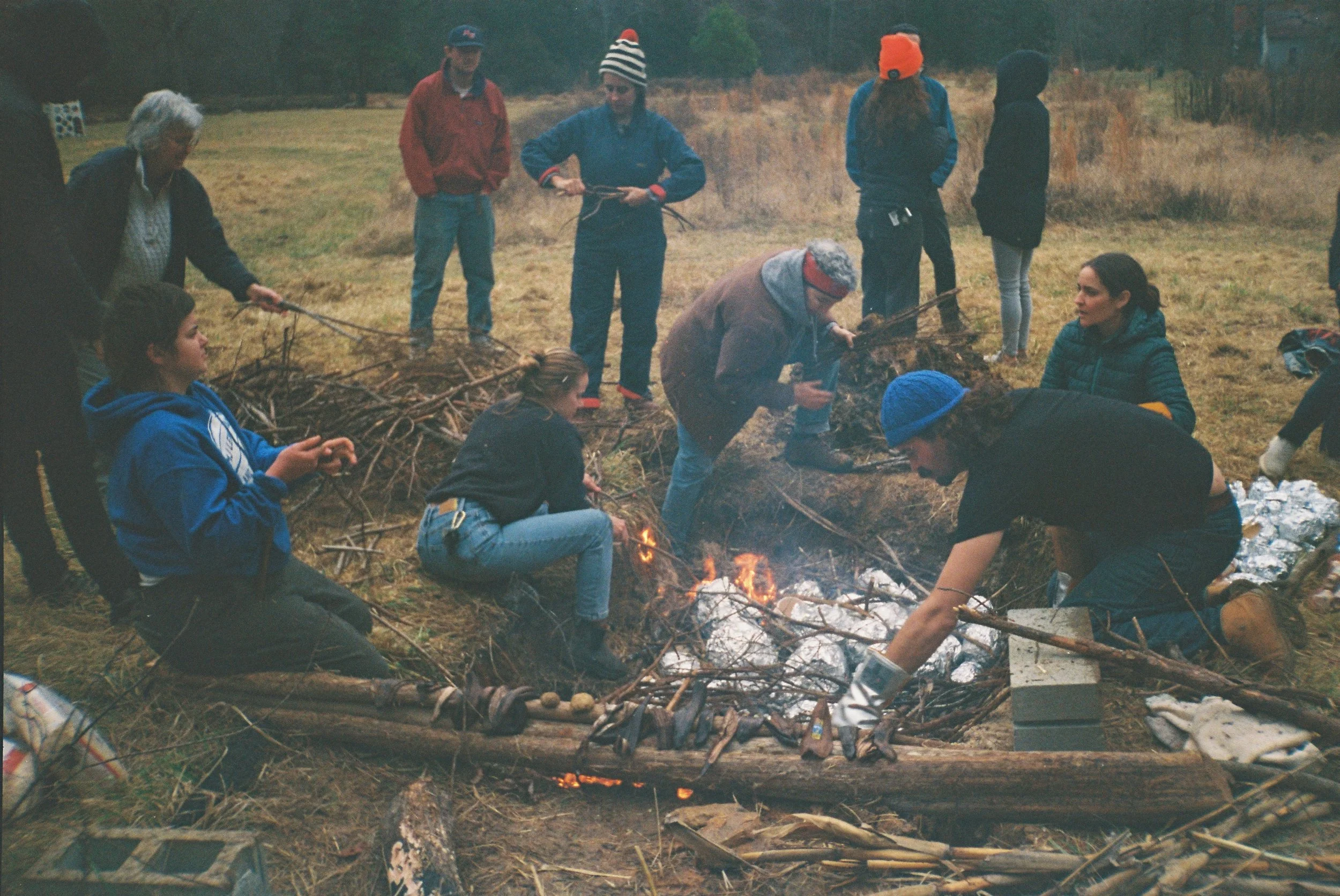 Image 5 of 9
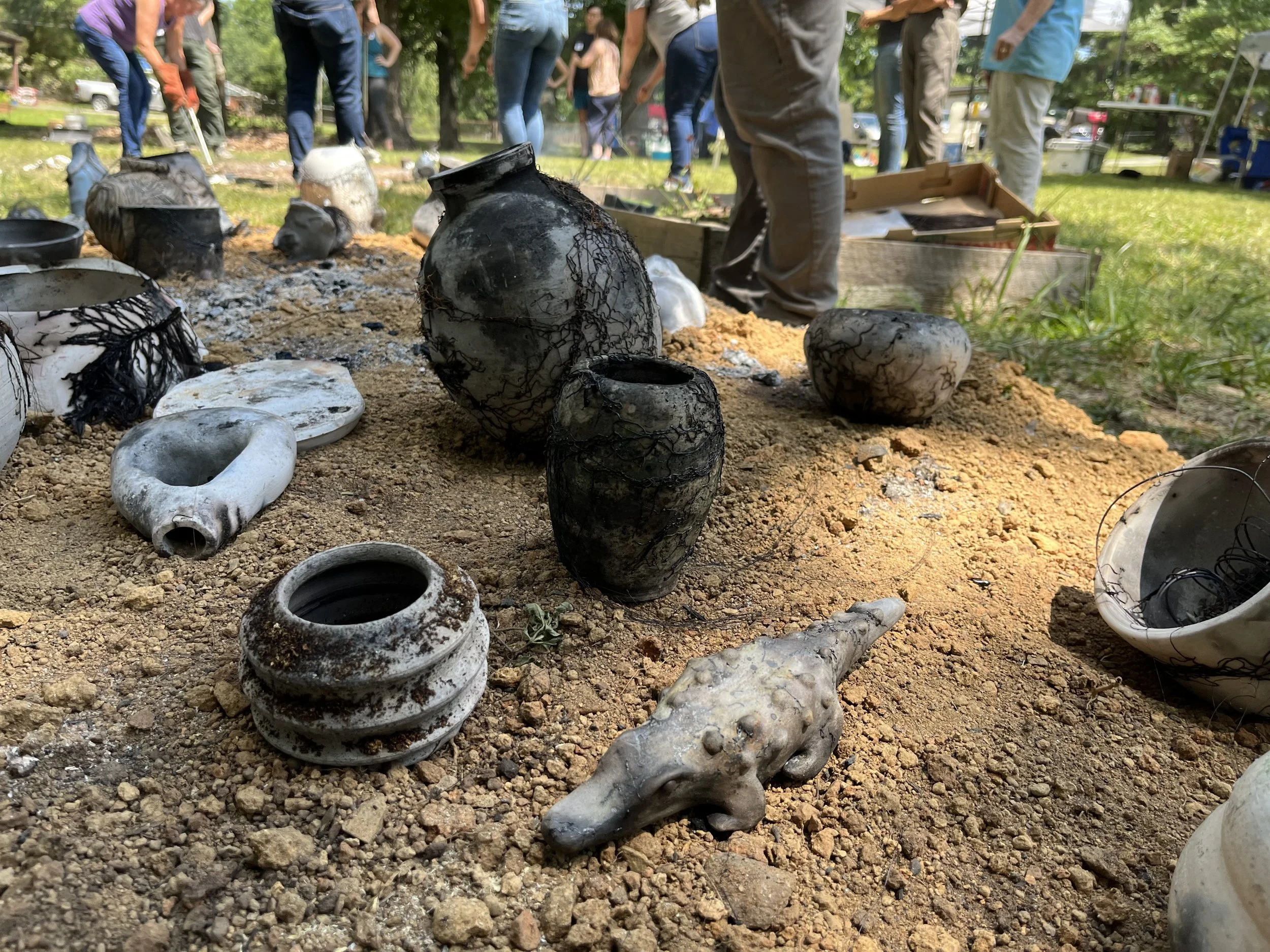 Image 6 of 9
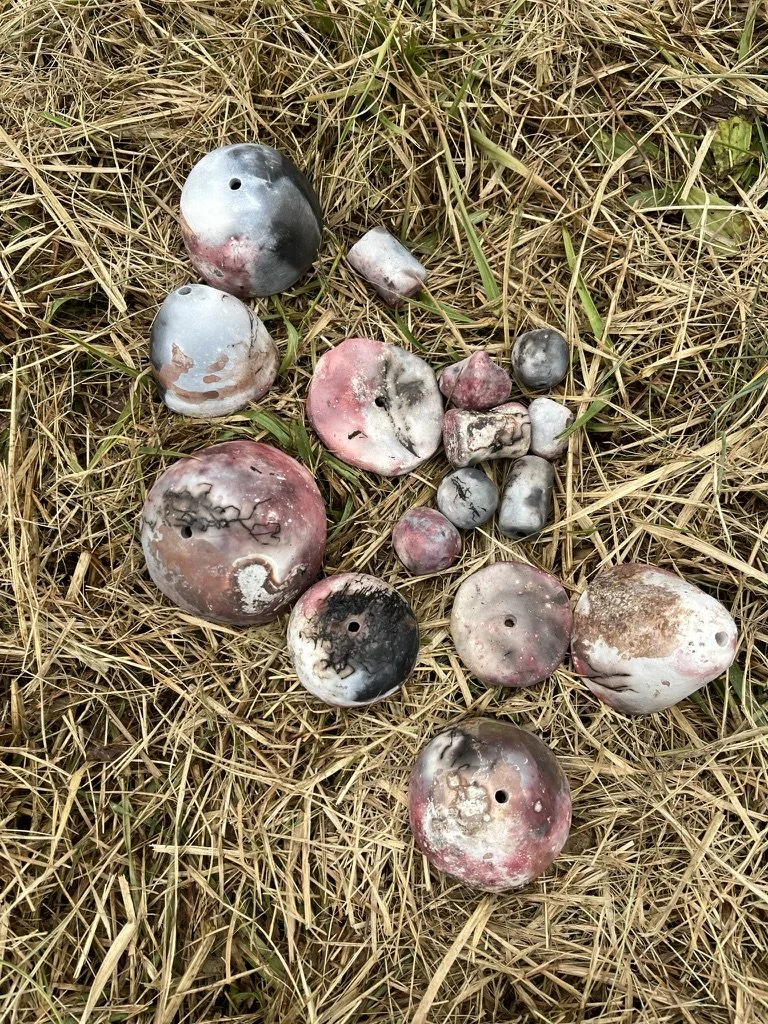 Image 7 of 9
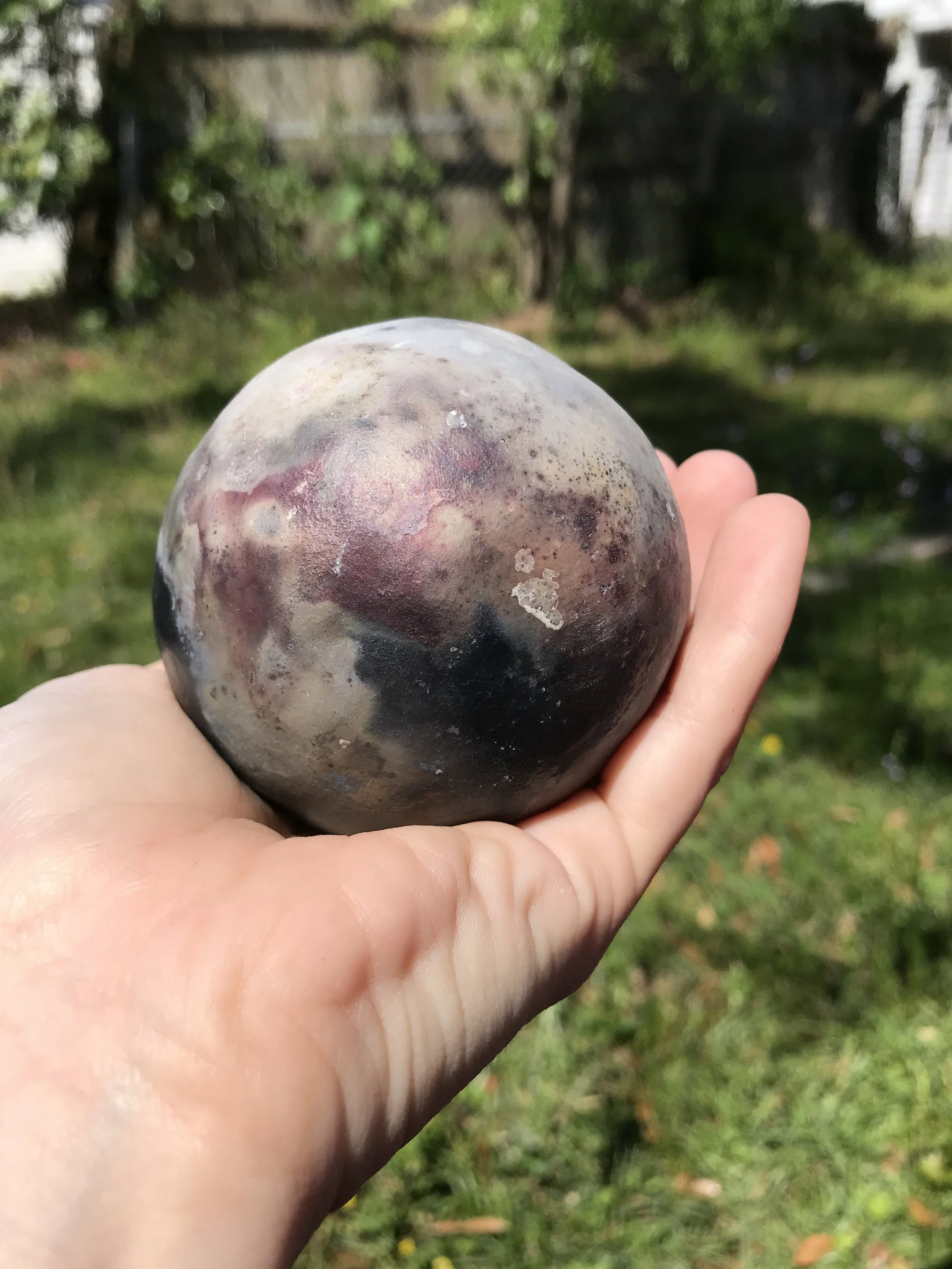 Image 8 of 9
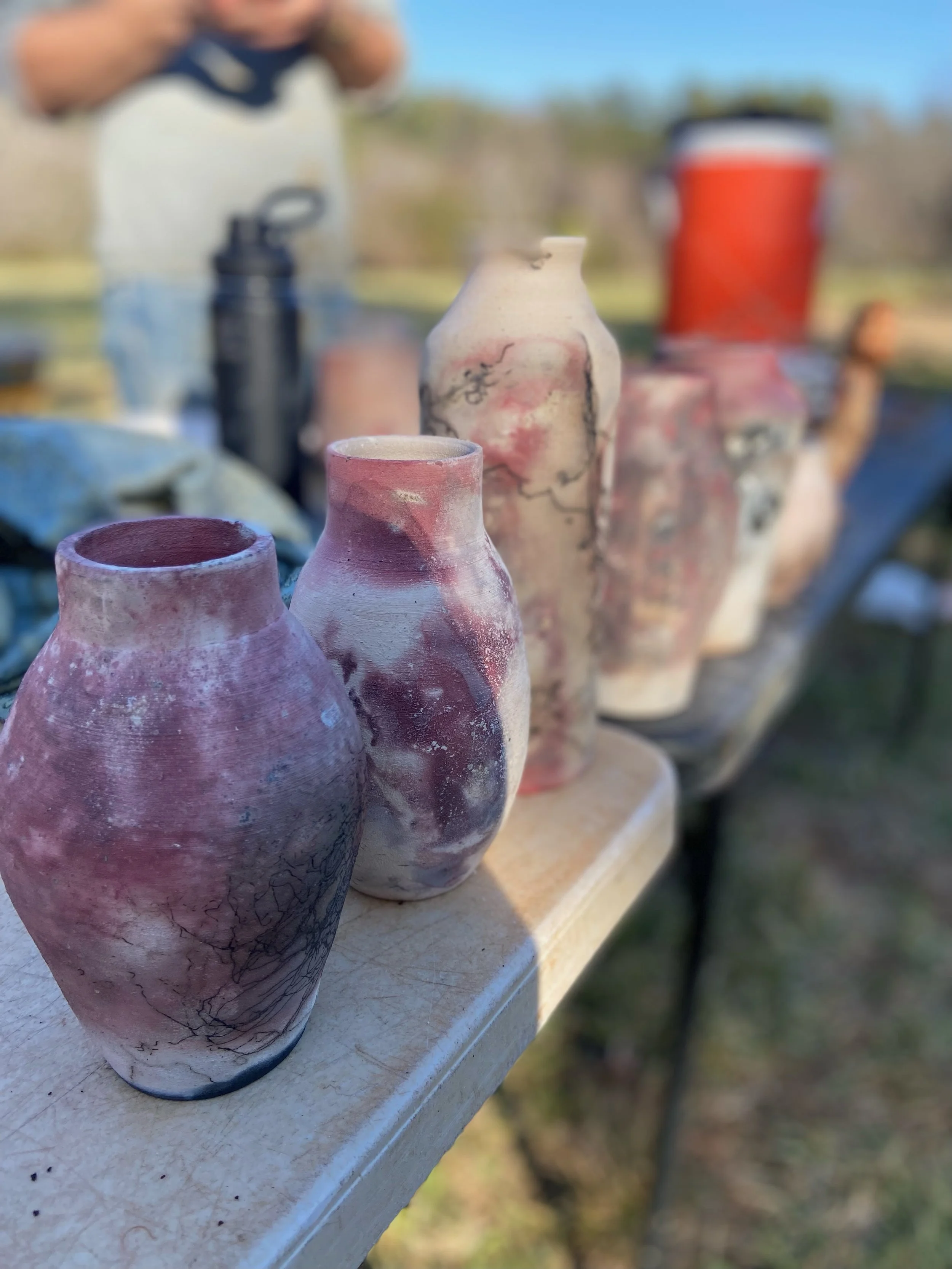 Image 9 of 9